• support@madhedgefundtrader.com
  • Member Login
Mad Hedge Fund Trader
  • Home
  • About
  • Store
  • Luncheons
  • Testimonials
  • Contact Us
  • Click to open the search input field Click to open the search input field Search
  • Menu Menu

Tag Archive for: (ROG)

Mad Hedge Fund Trader

The Race to Find a Corona Cure

Biotech Letter

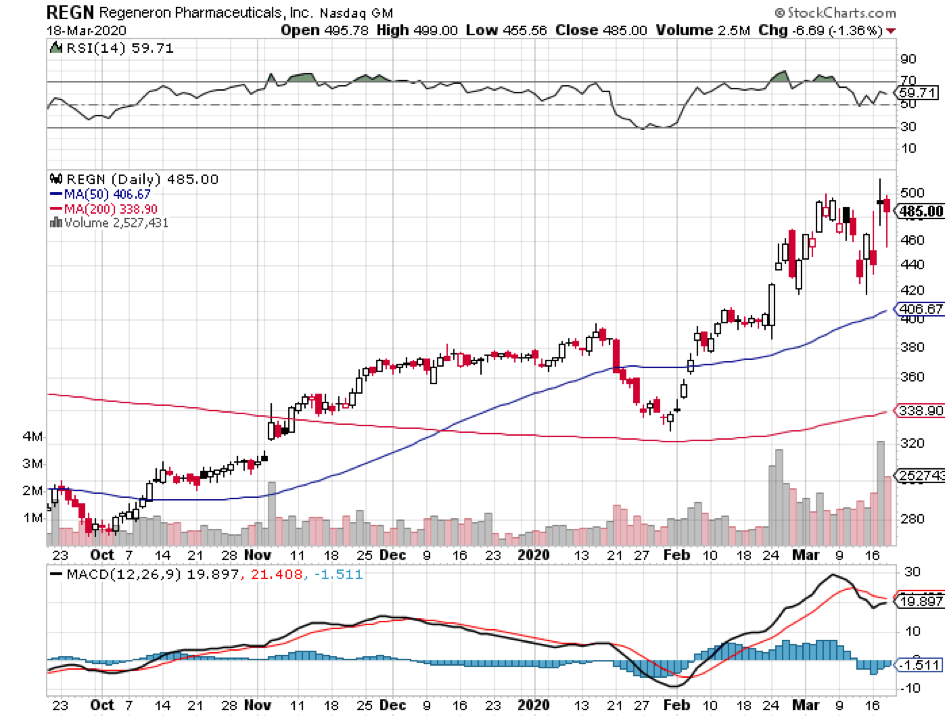
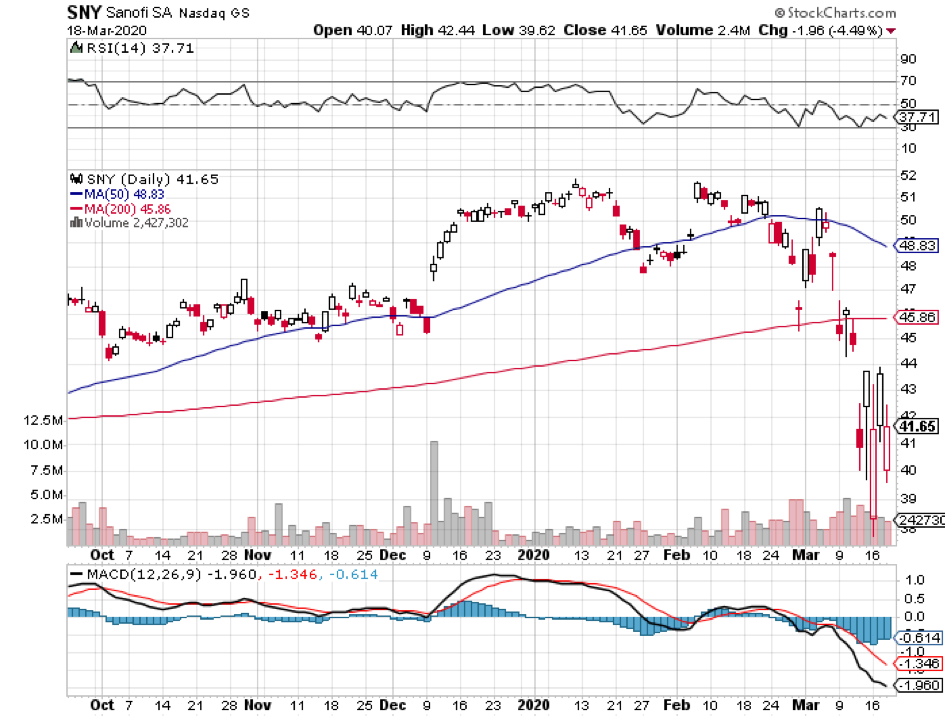
Naturally, many people are wondering about which stocks to own in light of the coronavirus. The latest development on the race to find a coronavirus cure is a joint effort involving two giant names from the biotechnology industry: Regeneron Pharmaceuticals (REGN) and Sanofi (SNY).

Taking a page off Gilead Sciences’ (GILD) move to recycle HIV drug Remdisivir and Roche Holding’s (ROG) decision to utilize rheumatoid arthritis Actemra, Sanofi and Regeneron are looking into an existing drug’s ability to offer refuge for patients suffering from COVID-19.

According to a recent announcement, the two companies are looking to test rheumatoid arthritis medication Kevzara on COVID-19 patients.

This drug was initially approved in 2017 and while it failed to reach blockbuster status at the time, Sanofi and Regeneron are preparing to transform it into the next leader in this pandemic race.

It should be noted though that Kevzara is not a coronavirus cure. Rather, the companies are hoping to use this drug to combat the symptoms related to COVID-19.

This is why it’s promising.

When a person gets infected by the novel coronavirus, the immune system is activated and starts attacking the virus to protect the body. As time passes, the immune system goes into overdrive and ends up overreacting, causing additional damage.

Gradually, the immune system starts attacking even the healthy tissue and organs as with the case for some COVID-19 patients.

This means that the coronavirus is causing an accelerated response from the immune system resulting in the patients’ damaged organs starting with the lungs.

This is where Kevzara comes in.

The drug functions as an inhibitor of the protein that triggers the patient’s immune and inflammatory response.

That is, Kevzara can stop the body from attacking itself despite the triggers caused by the coronavirus.

In terms of the specifics of this joint effort, Regeneron will take the lead for the US trials while Sanofi will be in charge of international efforts.

Aside from Kevzara, both Regeneron and Sanofi have been pursuing separate leads on how to deal with the pandemic.

Sanofi has been working in tandem with the US Department of Health and Human Services (HHS), specifically with the Biomedical Advanced Research and Development Authority (BARDA), to come up with a coronavirus vaccine. 

However, it’s the coronavirus efforts of Regeneron that gained much attention in the past weeks.

In February, Regeneron and the HHS expanded their partnership to come up with potential COVID-19 treatments. So far, the biotechnology giant has decided to work on monoclonal antibodies via its VelocImmune platform.

This avenue is particularly promising since Regeneron has already come up with an antiviral drug to combat Ebola. Its collaboration with HHS has also already resulted in plans to develop a MERS treatment, which is also a type of coronavirus.

According to Regeneron executives, the company will have a coronavirus treatment ready for human testing by August. If all goes well, then it aims to produce 200K prophylactic doses.

Although its innovative coronavirus proposals are exciting, Regeneron remains focused on its older and more dependable money makers particularly the eye drug Eylea.

This strength is in display in Regeneron’s fourth quarter results, which showed better than expected numbers.

For Eylea alone, the company generated an 11% year-over-year growth in sales.

Despite the emergence of new competitors like Novartis’ (NOVN) Beovu, Regeneron’s eye drug remains the leading product in this sector. In fact, Eylea managed to cross $2 billion in global sales just for the year 2019.

As for inflammation-reducer Dupixent, the treatment’s global sales climbed 136% in 2019.

Meanwhile, revenue from its cancer immunotherapy Libtayo soared to over quintuple from the previous period.

Building from the strength of Eylea, Regeneron also announced its successful late-stage clinical study that aimed to expand the indication of the drug to moderately severe to severe non-proliferative diabetic retinopathy (NPDR).

If this Eylea expansion pushes through, then Regeneron has yet another blockbuster drug in its hands.

In the past five years, Regeneron has demonstrated a strong EPS growth, growing by 23.74% annually. Given its recent performance and based on forward-looking statements, the company can be expected to report an average of 17.4% growth on its EPS in the next two years. 

Amid the panic and confusion caused by the coronavirus pandemic, it’s crucial to remain objective, especially with the stock market.

Before making a decision, ask yourself this question: “Will this current situation change the 10-year or even the 20-year outlook for the financial sector?” 

Despite the paranoia proliferating in the market in the past months, I believe the answer to this question is still a resounding “no.”

For now, it would be wise to treat owning stocks like how to own businesses. It's important to think about which stocks to own during the coronavirus, but don’t do it just to make a quick buck. Rather, take a look at lasting and stable companies with the capacity to not only grow over the years but also to compound their returns.
stocks to own during the coronavirus


stocks to own during the coronavirus

https://madhedgefundtrader.com/wp-content/uploads/2019/05/cropped-mad-hedge-logo-transparent-192x192_f9578834168ba24df3eb53916a12c882.png 0 0 Mad Hedge Fund Trader https://madhedgefundtrader.com/wp-content/uploads/2019/05/cropped-mad-hedge-logo-transparent-192x192_f9578834168ba24df3eb53916a12c882.png Mad Hedge Fund Trader2020-03-19 09:00:262020-04-26 23:01:30The Race to Find a Corona Cure
Mad Hedge Fund Trader

December 17, 2019

Biotech Letter

Mad Hedge Biotech & Healthcare Letter
December 17, 2019
Fiat Lux

Featured Trade:

(WHY THE M&A BOOM WILL SPILL INTO 2020),
(BMY), (CELG), (NOVN), (LOXO), (ROG), (ONCE), (MRK), (SAN), (ARQL), (THOR), (AMRN), (GSK), (AMGN), (GILD)

https://madhedgefundtrader.com/wp-content/uploads/2019/05/cropped-mad-hedge-logo-transparent-192x192_f9578834168ba24df3eb53916a12c882.png 0 0 Mad Hedge Fund Trader https://madhedgefundtrader.com/wp-content/uploads/2019/05/cropped-mad-hedge-logo-transparent-192x192_f9578834168ba24df3eb53916a12c882.png Mad Hedge Fund Trader2019-12-17 04:02:342019-12-17 03:55:07December 17, 2019
Mad Hedge Fund Trader

Why the M&A Boom Will Spill Into 2020

Biotech Letter

The biotech industry is breaking out, with the sector witnessing tremendous growth in the later part of 2019. With the stocks surging, it looks like the new year is setting up to a strong start that could continue well up into 2020.

Despite the anxiety over the feared government price controls in the drug sector, the early thinking in the biotech world remains optimistic. In fact, the stage seems to be set for even bigger news come 2020. This prediction comes on the heels of the over $7 billion deals closed just this summer alone.

To date, approximately $100 billion total potential value of research and development have been spent by biotech companies since June 2019, with $11 billion paid upfront in cash.

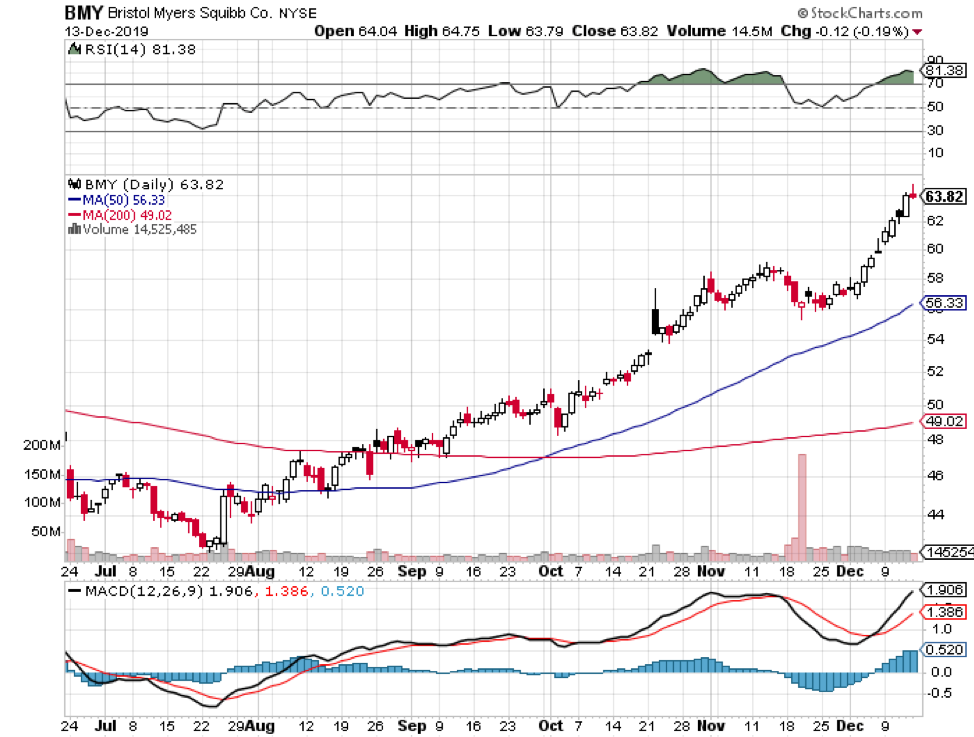
Among those deals, the biggest so far is Bristol-Myers Squibb’s (BMY) $74 billion acquisition of Celgene (CELG). Another massive agreement is Novartis AG’s (NOVN) $9.7 billion acquisition of The Medicines Company (MDCO).

Eli Lilly and Co’s (LLY) $8 billion takeover of rare genetic mutation drug Vitakvi creator, Loxo Oncology (LOXO), also signified notable movements in the industry along with Johnson and Johnson’s (JNJ) $5.8 billion buyout of robotic surgery company Auris Health. Even Roche Holding AG (ROG) is expected to complete its $4.3 billion merger with gene therapy company Spark Therapeutics (ONCE) before the year ends.

Not far behind are Merck and Co’s (MRK) $2.7 billion acquisition of ArQule (ARQL) as well as Sanofi SA’s (SAN) $2.5 billion buyout of clinical-stage DNA base pair treatment company Synthorx Inc (THOR).

The majority of the deals were in the oncology space, with three times as many oncology deals made compared to the number two sector, the neurology sector. To put things in perspective, seven of the top 10 deals made in 2019 involved oncology treatments.

What can we expect in 2020?

A number of drug candidates remain in the pipeline, but one mid-cap biotech company is anticipated to make big bucks next year. The catch? It’ll need the help of a bigger and more established company to make it happen. That is, this promising company has become the most eligible buyout candidate for 2020.

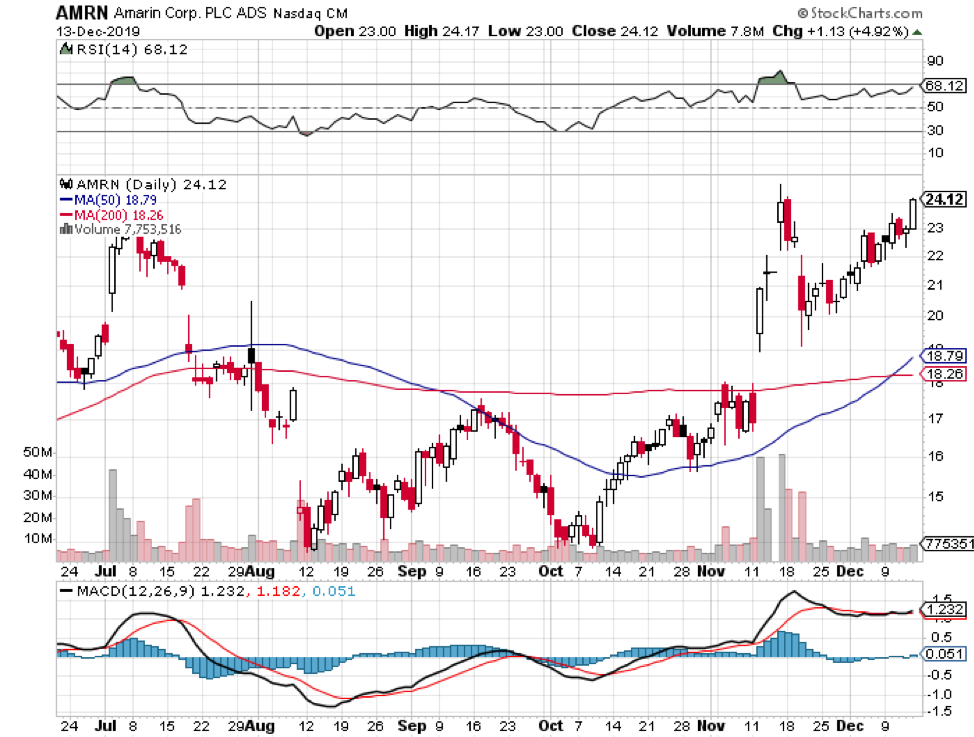
Amarin Corporation (AMRN) has taken center stage when it became the first-ever company to hit positive results for its prescription omega-3 treatment, Vascepa -- a feat that none of the other biotech giants managed to accomplish. Actually, competitor GlaxoSmithKline (GSK) created its own omega-3 treatment, Lovaza, only to have it fail to reach its goal.

Barring any major setback, Vascepa is slated as the next blockbuster treatment in the cardiovascular disease space -- possibly even displacing Pfizer’s (PFE) Lipitor as the king of this segment. In fact, several major healthcare groups like the American Heart Association, American Diabetes Association, the European Society of Cardiology have already endorsed Vascepa as an effective treatment for LDL cholesterol.

The Amarin medication is projected to peak at $4 billion in annual revenues by 2028. Considering that its manufacturer’s reported third-quarter earnings this 2019 is only at $112.4 million, the approval of Vascepa will undoubtedly be a game-changer for its investors.

However, Vascepa’s incredible potential along with the fact that Amarin has no other drug candidate in its pipeline makes the company ripe for a takeover. For one, it’s not financially capable of juggling both the marketing of Vascepa and developing or building a solid pipeline to support its growth. With the omega-3 treatment’s projected blockbuster status, a bigger and more established company could undoubtedly be more fit to help it reach its potential.

Who are the potential suitors?

Three heavyweights have been repeatedly linked to Amarin: Pfizer, Novartis, and Amgen (AMGN). Since all three have a budding cardiovascular unit, it could be anyone’s game.

However, Novartis’ recent acquisition of The Medicines Company makes it the least likely candidate in the list right now. After all, the latter already has a potential blockbuster cholesterol-lowering drug in Inclisiran.

That paves the way for a new suitor in the form of Gilead Sciences (GILD). Just a few weeks ago, Gilead added Vascepa to one of its ongoing trials involving nonalcoholic steatohepatitis. Whether or not this signifies interest in buying out Amarin is anybody’s guess.

Heading into the next year, the biotech sector is expected to welcome the new year with strong fundamentals and great opportunities for outperformance. While the election may bring changes to policies, the ongoing growth and innovation in this industry make it impossible to be excited for what’s in store for the future.

After all, more and more life-extending and even life-saving treatments are getting discovered by the day. Aside from following the developments in the industry, why not use your knowledge to fatten your pocketbook along the way?


https://madhedgefundtrader.com/wp-content/uploads/2019/05/cropped-mad-hedge-logo-transparent-192x192_f9578834168ba24df3eb53916a12c882.png 0 0 Mad Hedge Fund Trader https://madhedgefundtrader.com/wp-content/uploads/2019/05/cropped-mad-hedge-logo-transparent-192x192_f9578834168ba24df3eb53916a12c882.png Mad Hedge Fund Trader2019-12-17 04:00:382019-12-17 03:56:24Why the M&A Boom Will Spill Into 2020
Mad Hedge Fund Trader

October 23, 2019

Diary, Newsletter, Summary

Global Market Comments
October 23, 2019
Fiat Lux

Featured Trade:

(BIOGEN’S HUGE DISCOVERY),
(BIIB), (IBB), (NOVN), (ROG),
(PLEASE USE MY FREE DATABASE SEARCH)

https://madhedgefundtrader.com/wp-content/uploads/2019/05/cropped-mad-hedge-logo-transparent-192x192_f9578834168ba24df3eb53916a12c882.png 0 0 Mad Hedge Fund Trader https://madhedgefundtrader.com/wp-content/uploads/2019/05/cropped-mad-hedge-logo-transparent-192x192_f9578834168ba24df3eb53916a12c882.png Mad Hedge Fund Trader2019-10-23 08:06:022019-10-23 08:52:04October 23, 2019
Mad Hedge Fund Trader

Biogen’s Huge Discovery

Diary, Newsletter, Research

It is the sort of development that most Biotech investors only dream about. It also shows what’s possible in biotech investing, which is occurring with increasing frequency.

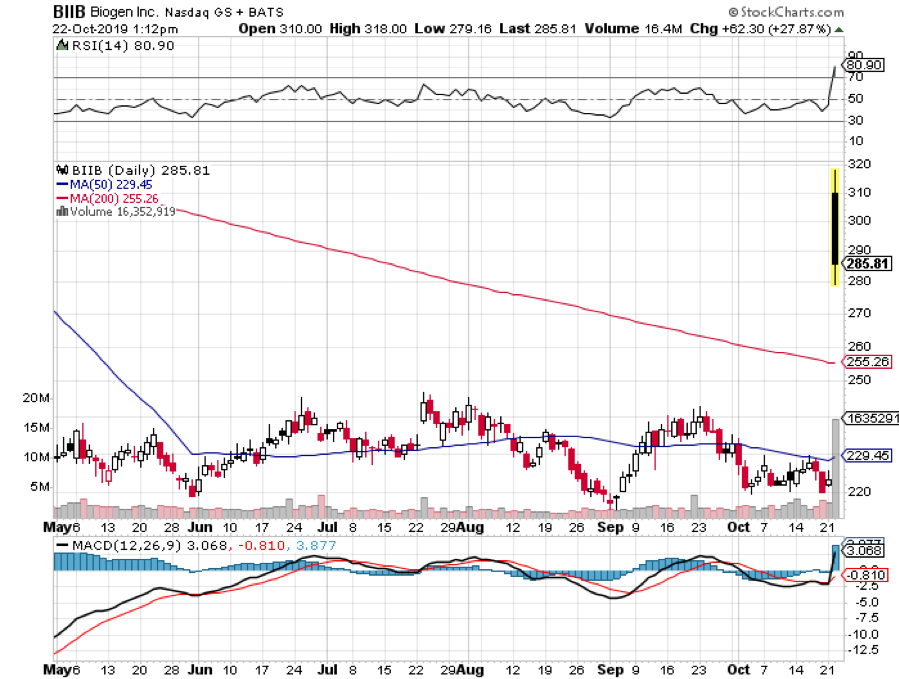
Biogen shares (BIIB) have exploded to the upside on its FDA application for its new Alzheimer’s drug. Written off for dead six months ago, the company secretly kept working on Aducanumab until today’s blockbuster announcement.

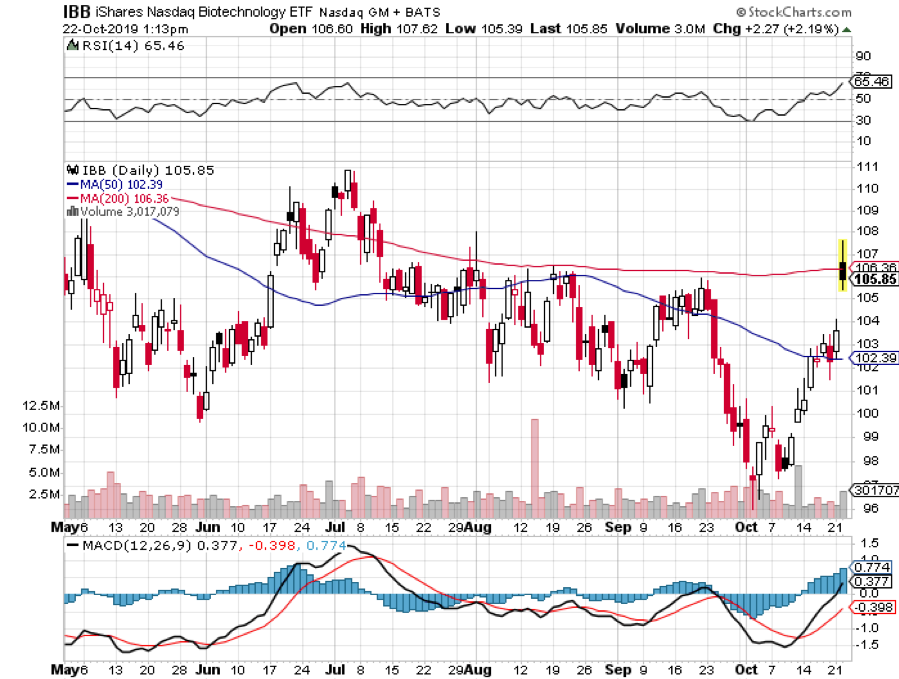
The drug reverses amyloid plaques thought responsible for Alzheimer’s. This could eventually cure tens of millions of Alzheimer’s sufferers and maybe even myself someday. The stock is up an incredible 40% today and has even dragged up the biotech ETF (IBB) an impressive 3%.

Way back in March, we saw a huge flop for Biogen (BIIB) as the biotech company supposedly shut down research for Alzheimer's treatment: aducanumab (BIIB037) on the failure of a stage 3 trial. This announcement was a curveball for its shareholders as the drug was touted as a potential groundbreaking miracle treatment with sales pegged at the tens of billions.

Biogen has for some time made Alzheimer's experiments the epicenter of their new drug pipeline. It also offers a multiple sclerosis treatment called Tecfidera.

Generic competition has been hot on its heels and shareholders can expect a number of patent challenges in the next few years. This would undoubtedly lead to a fall in sales soon especially with the recent crackdown on the skyrocketing prices of meds.

To combat these looming challenges, Biogen has shifted its focus on Spinraza which has been beating expectations since its release three years ago. Set to exceed the $2 billion in sales mark, this spinal muscular atrophy drug has been dominating the rare disease market for quite some time.

This reign might not last long though as Novartis AG (NOVN) and Roche Holding AG (ROG) are gunning to release their own version of the drug by 2020 or 2021. This means Biogen would once again see another blockbuster drug go flat.

How does Biogen plan to deal with the backlash?

If history is any indication, then investors can expect Biogen to start looking into acquiring medium-size biopharma firms as soon as possible. Since the company closed 2018 with $3.5 billion in cash along with $5.3 billion in its free cash flow, a buyout is a viable solution at the moment. However, the biotech giant can only afford one.

The medium-sized biopharma firms speculated to be under consideration include ACADIA Pharmaceuticals, Biohaven Pharmaceutical Holding Company, and Alder Biopharmaceuticals. However, Neurocrania Biosciences and Sage Therapeutics are said to be potential frontrunners for a Biogen takeover.

While a lot of investors would understandably be wary of another risk from Biogen, Neurocrania and Sage could be promising targets for the biopharma giant.

Neurocrania has been raking in huge profits from their blockbuster tardive dyskinesia drug Ingrezza since gaining FDA approval in 2017. In fact, annual sales of this product has reached $410 million in 2018.

Aside from their success with Ingrezza, Neurocrine has taken the first step towards gene therapy via their collaboration with Voyager Therapeutics. Just this month, Neurocrine has invested $165 million to commence the process of coming up with a treatment drug for Parkinson's disease.

Another good option is Sage as the company also focuses on neurology, which means their goals could align with Biogen's. The recent approval of Zulresso makes Sage the first company to provide treatment for severe postpartum depression.

While the Alzheimer's debacle can be overwhelming, Biogen's fundamentals remain attractive. In terms of revenue estimates, the company is anticipated to report a 2.2% increase this year or up to $13.75 billion. Meanwhile, growth for earnings per share is projected to be at 9.4% or up to $28.67 from its current EPS of $21.58.


https://www.madhedgefundtrader.com/wp-content/uploads/2019/10/aducanumab.png 597 899 Mad Hedge Fund Trader https://madhedgefundtrader.com/wp-content/uploads/2019/05/cropped-mad-hedge-logo-transparent-192x192_f9578834168ba24df3eb53916a12c882.png Mad Hedge Fund Trader2019-10-23 08:04:112019-12-09 13:10:28Biogen’s Huge Discovery
Mad Hedge Fund Trader

October 22, 2019

Biotech Letter

Mad Hedge Biotech & Health Care Letter
October 22, 2019
Fiat Lux

Featured Trade:

(SPECIAL CANCER ISSUE - PART 1)
(BMY), (MRK), (CELG), (AMGN), (ROG), (MRTX), (INCY)

https://madhedgefundtrader.com/wp-content/uploads/2019/05/cropped-mad-hedge-logo-transparent-192x192_f9578834168ba24df3eb53916a12c882.png 0 0 Mad Hedge Fund Trader https://madhedgefundtrader.com/wp-content/uploads/2019/05/cropped-mad-hedge-logo-transparent-192x192_f9578834168ba24df3eb53916a12c882.png Mad Hedge Fund Trader2019-10-22 08:02:052019-10-22 07:53:55October 22, 2019
Mad Hedge Fund Trader

Special Cancer Issue - Part 1

Biotech Letter

Multiple times every year, leading oncology researchers gather to share and discuss the latest developments in the field. During these events, biotech companies actively seek ways to snatch top billing, hoping to amp up their value not only within the industry but also to the public.

Needless to say, company stock prices tend to fluctuate dramatically based on the data and whether or not the companies lived up to the hype of their studies. Hence, these events have turned into must-attend conferences among the healthcare industry leaders and even institutional investors.

For everyday investors though, it’s too impractical to even consider the possibility of attending these grand shindigs. This is why we’re sharing with you a list of companies that are currently making strides or are anticipated to dominate the cancer research and treatment market in 2019 and in the years to come.

Bristol-Myers Squibb (BMY)

As always, no other field has been watched more intensely than the lung cancer market -- an area considered as the most lucrative in the immuno-oncology circle. In the recently concluded European Society for Medical Oncology Congress in Barcelona, all eyes were on the up-and-coming Opdivo/Yervoy combo of Bristol-Myers Squibb (BMY).

In the recent data it presented, Bristol disclosed that the combination of its cancer drugs Opdivo and Yervoy provided promising results to melanoma patients. According to their study, over 50% of melanoma patients survived after five years which is a huge leap from the 5% survival rate recorded over the same period prior to the introduction of immunotherapies.

With the company’s recent moves to beef up its cancer portfolio, the Opdivo/Yervoy combo is anticipated to turn into a strong competitor of Roche Holding Ltd. Genussscheine’s (ROG) Tecentriq. This combo also reinvigorates the ongoing rivalry between Bristol and Merck & Co. (MRK), with Opdivo/Yervoy aiming to dethrone the latter’s major moneymaker Keytruda.

However, this isn’t exactly the first time Bristol showed interest in dominating the oncology market. Wielding the power of its $81.05 billion market value, Bristol has signified its aggressive stance in pushing for the expansion of its cancer department.

The most highly publicized news from this front came in January this year courtesy of its announcement involving a $74 billion merger with Celgene Corporation (CELG). Now, it appears that we’re seeing the first of Bristol’s efforts to bolster its cancer drug lineup.

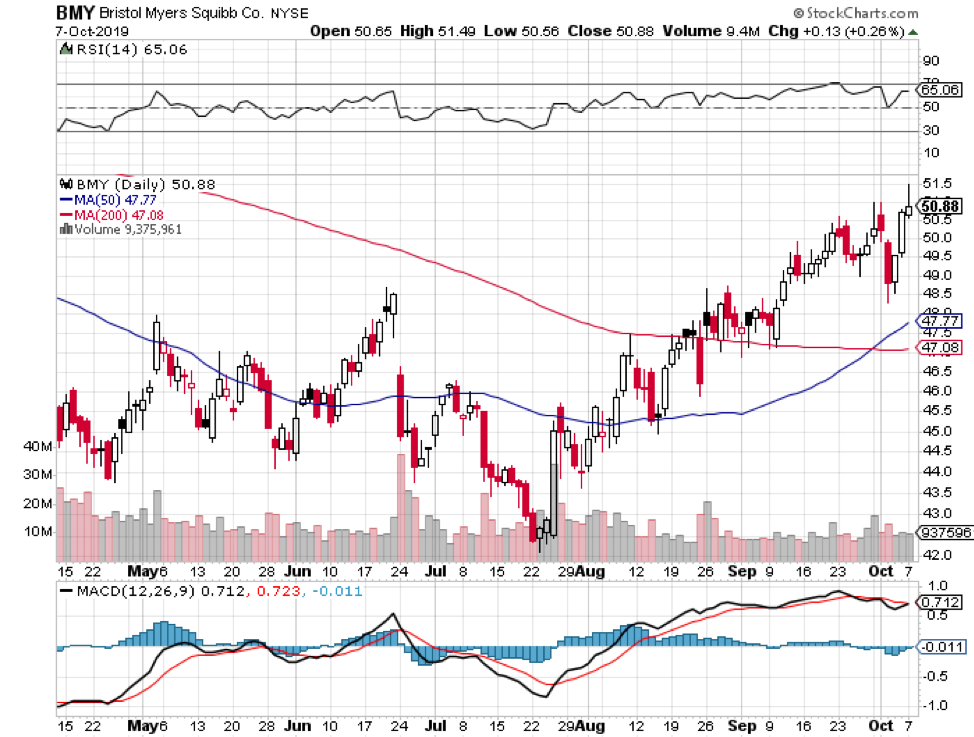
Although Bristol has been underperforming compared to its competitors for the majority of 2019, the stock has actually surpassed its rivals by roughly 5% in September. Following its 52-week low in July, the company has performed steadily higher to currently trading 6.5% below its 2019 high.

Hence, traders should be vigilant as a dip to a short-term trendline in the next weeks could offer a suitable entry point to eventually take advantage of the upside momentum.

Amgen (AMGN)

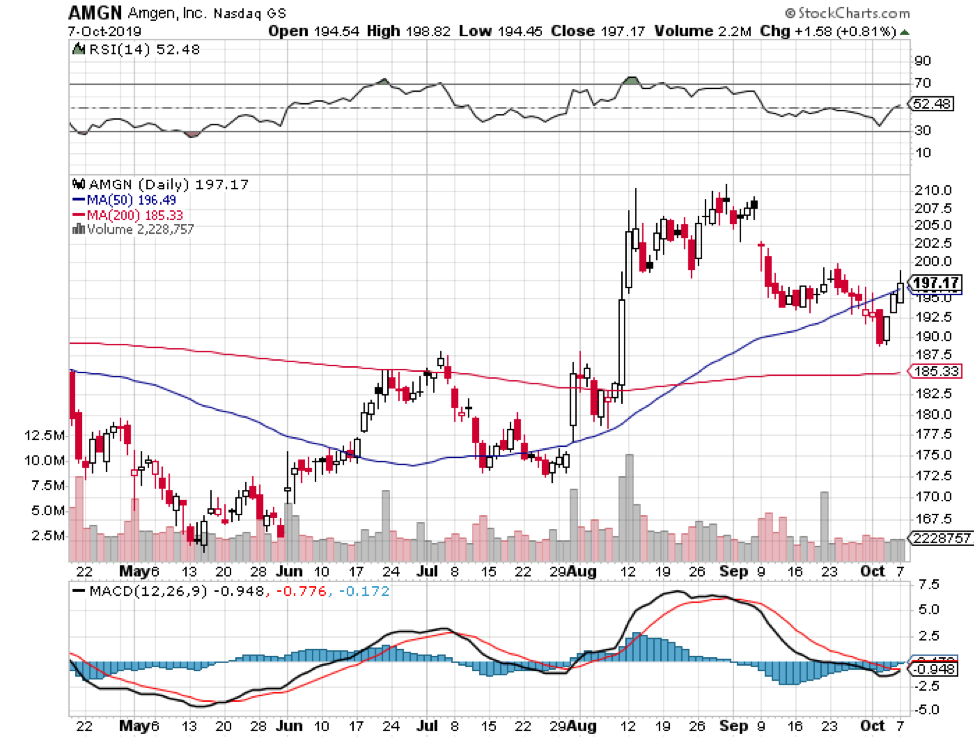
Another oncology frontrunner is Amgen (AMGN). The biotech giant recently presented its data on experimental treatments AMG 510 and AMG 160, which target some forms of colorectal cancer. So far, AMG 510 has provided higher response rates at 3% for patients across all levels of dosage.

These drugs form part of the rising trend of precision medicines, which zero in on particular gene mutations. This method is anticipated to be able to ward off cancer cells regardless of the organ where the disease originated.

In September, Amgen shared that the drug managed to shrink tumors by almost 50% during the trial period for advanced non-small lung cancer patients. Meanwhile, the drug’s disease control rate was recorded at 92%, with patients capable of tolerating AMG 510 without any dose-limiting toxicities.

These results prompted the FDA to send AMG 510 for “fast track” review. Aside from their own study, Amgen is also looking at a possible combination with Merck’s Keytruda in an effort to bolster its foothold in the lung cancer front.

If Amgen succeeds in the application of AMG 510 to colorectal cancer patients, the drug will be the first-ever approved treatment to target a mutated form of a gene commonly referred to as KRAS. This particular mutation called KRASG12C is prevalent in approximately 13% of non-small cell lung cancers, 3% to 5% of colorectal cancers, and almost 2% of solid tumor cancers.

In terms of revenue, the success of AMG 510 could lead to annual sales of $3 billion in the United States alone and $6.4 billion internationally. Aside from Amgen, Mirati Therapeutics Inc. (MRTX) has been actively pursuing treatments that aim to treat KRAS mutations as well.

Incyte Corporation (INCY)

At first blush, Incyte (INCY) is regarded as simply another young company striving to make a name for itself in the massive biotech market. Despite the success of bone marrow disorder drug Jakafi, a lot of investors still believe that the company only managed to stumble its way to growth. In fact, even those who actually started to invest in this biopharma firm still somehow see it as a company with an extremely limited potential. 

Unfortunately for these investors, they’re missing out on a crucial detail. Although Incyte’s trajectory isn’t exactly moving at a blistering pace, the steady revenue growth of the company in 2019 is a strong indicator of meaningful profits in the succeeding years.

This growth would eventually land the company in the watchlist of every biotech investor, with the company stock already gaining 18% this year alone to boost its $16.10 billion market value.

One of the most exciting developments from Incyte is its bile duct cancer research which led to a potential oncology blockbuster drug Pemigatinib. So far, 36% of its test patients saw their tumors shrink with a preliminary median overall survival of 21.1 months.

Despite the promising results though, the company cautions on the modesty of its projected revenue as Pemigatinib specifically targets cholangiocarcinoma, which is a rare type of bile duct cancer. Incyte plans to submit the drug for review to the FDA before the year ends.

For now, Incyte is focused on the commercialization and development of its existing moneymakers. Aside from Jakafi, the company is also making waves in the rheumatoid arthritis market with Olumiant. Its myeloid leukemia treatment Iclusig is another potential golden goose on the rise as well.

So far, Incyte’s share price has been trading at approximately $15 range since April. The past two months showed a pullback though, with the stock finding key support from the lower trendline of the trading range at $72. For investors who intend to open a long position within these levels, you should set your take-profit order somewhere near $88. However, simply cut your losses if Incyte stock fails to hold $72 support.


https://madhedgefundtrader.com/wp-content/uploads/2019/05/cropped-mad-hedge-logo-transparent-192x192_f9578834168ba24df3eb53916a12c882.png 0 0 Mad Hedge Fund Trader https://madhedgefundtrader.com/wp-content/uploads/2019/05/cropped-mad-hedge-logo-transparent-192x192_f9578834168ba24df3eb53916a12c882.png Mad Hedge Fund Trader2019-10-22 08:00:042019-10-22 07:55:20Special Cancer Issue - Part 1
Mad Hedge Fund Trader

October 8, 2019

Biotech Letter

Mad Hedge Biotech & Healthcare Letter
October 8, 2019
Fiat Lux

Featured Trade:

(GET ON THE CELGENE BANDWAGON),
(CELG), (BMY), (GSK), (AMGN), (RHHBY), (ROG), (GMAB), (MOR)

https://madhedgefundtrader.com/wp-content/uploads/2019/05/cropped-mad-hedge-logo-transparent-192x192_f9578834168ba24df3eb53916a12c882.png 0 0 Mad Hedge Fund Trader https://madhedgefundtrader.com/wp-content/uploads/2019/05/cropped-mad-hedge-logo-transparent-192x192_f9578834168ba24df3eb53916a12c882.png Mad Hedge Fund Trader2019-10-08 03:02:362019-10-08 04:01:27October 8, 2019
Mad Hedge Fund Trader

Get on the Celgene Bandwagon

Biotech Letter

If you’re looking for a biotech stock that just relentlessly grinds up every day, Celgene Corporation (CELG) has to be at the top of your list, one of the most dominant players in the industry today.

Thanks to its $74 billion merger with Bristol-Myers Squibb (BMY), the combined companies are expected to push out Amgen in the top spot by 2020. Perhaps a positive indicator that things are looking up is the 50.9% rise in Celgene stock this year.

While the deal with Bristol has been predictably riddled with setbacks and delays, the sale of blockbuster arthritis drug Otezla to Amgen last month over antitrust concerns has finally pushed the merger forward.

While waiting for the merger with (BMY) to be finalized by the end of 2019, Celgene has been busy coming up with ways to attract more investors.

One of the exciting efforts of the biotech giant is its recent collaboration with Immatics Biotechnologies. Celgene joins GlaxoSmithKline (GSK) in the T-cell treatment market. With these two behemoths providing resources for this field, researchers are hopeful that a breakthrough drug will be discovered soon.

This partnership with Immatics saw Celgene shell out $75 million to gain access to three of the smaller firm’s anti-cancer adoptive cell therapies. With Immatics’ focus on T-cell treatments, the collaboration with Immatics will provide Celgene a wider pool of candidates for their solid tumor programs.

Aside from the $75 million upfront payment, Immatics will also receive $505 million in milestone payments for every licensed drug if Celgene decides to exercise the option. That means Celgene will have the opportunity to pay for the full or partial rights on selected assets developed from the T-cell therapies.

Ideally, Immatics would earn over $1.5 billion from the collaboration plus tiered royalties on net profits. As for Celgene, the biotech company will share the rewards with Bristol-Myers.

This collaboration marks the biggest upfront payment received by Immatics since its creation in 2000. The company, which is a spinoff of Germany’s University of Tübingen, adds Celgene to its growing number of partners including Amgen (AMGN), Roche Holding Ltd.(RHHBY), Genussscheine (ROG), Genmab (GMAB), and Morphosys (MOR).

The Munich company’s work on adoptive cell treatments and bispecific antibodies also generated interest from the cancer center of the University of Texas.

Since its creation, Immatics has managed to raise $220 million in venture capital plus roughly $130 million in non-dilutive funding. The Celgene deal puts the company’s total capital at $420 million.

So far, Celgene has reported three quarters of consistently accelerating earnings per share increase and a quarter of notable sales growth. However, the Bristol-Myers deal has yet to be completed. More importantly, some blockbuster products face uncertain futures due to rival copycats.

One major factor contributing to the doubts surrounding the company’s future is the recent sale of Otezla. Since this drug has been Celgene’s major moneymaker for years, it remains to be seen how the company will cope with its loss.

Aside from Otezla, another Celgene blockbuster facing pressure is blood cancer treatment Revlimid. While the multiple myeloma drug reported an 11.4% jump in its second quarter sales this year, the company has yet to fully safeguard it from the patent challenges aiming to end its reign in the market.

While the effects of the Immatics collaboration and the recent developments on the Bristol-Myers merger have yet to concretely manifest themselves, Celgene is expected to display strength when the next earnings release of 2019 draws nearer.

In the third quarter report, the company is projected to post an earnings per share of $2.73. This would indicate a 19.21% year-over-year increase. Meanwhile, its earnings per share for the full year of 2019 is expected to rise by over 23% to reach $10.91. As for its revenue, Celgene is estimated to earn $17.44 billion this year, marking a 14.11% rise from 2018.

In terms of its merger with Bristol-Myers, the two pharmaceutical giants are anticipated to have a combined total of 10 drugs already in the late-stage testing phase and six drugs ready to be released soon.

Additionally, the companies disclosed that they have roughly 50 drugs slated for early and mid-stage testing. Among those, 21 are reported to be focused on oncology treatments.

Buy Celgene on the next 5% dip in the shares. It seems to be on a tear.


https://www.madhedgefundtrader.com/wp-content/uploads/2019/10/redlimid.png 387 570 Mad Hedge Fund Trader https://madhedgefundtrader.com/wp-content/uploads/2019/05/cropped-mad-hedge-logo-transparent-192x192_f9578834168ba24df3eb53916a12c882.png Mad Hedge Fund Trader2019-10-08 03:00:472019-10-08 04:00:30Get on the Celgene Bandwagon
Mad Hedge Fund Trader

October 1, 2019

Biotech Letter

Mad Hedge Biotech & Healthcare Letter
October 1, 2019
Fiat Lux

Featured Trade:

(THE PLAYERS GUIDE TO BIOTECH INVESTING)
(AMGN), (PFE), (NOVN), (ABBV), (ABT),
(AGN), (ROG), (GSK), (CELG), (JNJ), (BMY)

https://madhedgefundtrader.com/wp-content/uploads/2019/05/cropped-mad-hedge-logo-transparent-192x192_f9578834168ba24df3eb53916a12c882.png 0 0 Mad Hedge Fund Trader https://madhedgefundtrader.com/wp-content/uploads/2019/05/cropped-mad-hedge-logo-transparent-192x192_f9578834168ba24df3eb53916a12c882.png Mad Hedge Fund Trader2019-10-01 07:02:552019-10-01 06:52:25October 1, 2019
Page 1 of 212

tastytrade, Inc. (“tastytrade”) has entered into a Marketing Agreement with Mad Hedge Fund Trader (“Marketing Agent”) whereby tastytrade pays compensation to Marketing Agent to recommend tastytrade’s brokerage services. The existence of this Marketing Agreement should not be deemed as an endorsement or recommendation of Marketing Agent by tastytrade and/or any of its affiliated companies. Neither tastytrade nor any of its affiliated companies is responsible for the privacy practices of Marketing Agent or this website. tastytrade does not warrant the accuracy or content of the products or services offered by Marketing Agent or this website. Marketing Agent is independent and is not an affiliate of tastytrade. 

Legal Disclaimer

There is a very high degree of risk involved in trading. Past results are not indicative of future returns. MadHedgeFundTrader.com and all individuals affiliated with this site assume no responsibilities for your trading and investment results. The indicators, strategies, columns, articles and all other features are for educational purposes only and should not be construed as investment advice. Information for futures trading observations are obtained from sources believed to be reliable, but we do not warrant its completeness or accuracy, or warrant any results from the use of the information. Your use of the trading observations is entirely at your own risk and it is your sole responsibility to evaluate the accuracy, completeness and usefulness of the information. You must assess the risk of any trade with your broker and make your own independent decisions regarding any securities mentioned herein. Affiliates of MadHedgeFundTrader.com may have a position or effect transactions in the securities described herein (or options thereon) and/or otherwise employ trading strategies that may be consistent or inconsistent with the provided strategies.

Copyright © 2026. Mad Hedge Fund Trader. All Rights Reserved. support@madhedgefundtrader.com
Scroll to top