Global Market Comments
February 3, 2026
Fiat Lux
Featured Trade:
(REVISITING THE FIRST SILVER BUBBLE),
(SLV), (SLW), (AGQ)

Global Market Comments
February 3, 2026
Fiat Lux
Featured Trade:
(REVISITING THE FIRST SILVER BUBBLE),
(SLV), (SLW), (AGQ)
Global Market Comments
March 21, 2024
Fiat Lux
Featured Trade:
(REVISITING THE FIRST SILVER BUBBLE),
(SLV), (SLW)

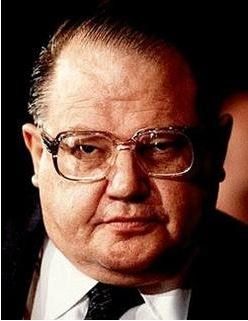
With smoke still rising from the ruins of the recent silver crash, I thought I'd touch base with a wizened and grizzled old veteran who still remembers the last time a bubble popped for the white metal. That would be Mike Robertson, who runs Robertson Wealth Management, one of the largest and most successful registered investment advisors in the country.
Mike is the last surviving silver broker to the Hunt Brothers, who in 1979-80 were major players in the run up in the 'poor man's gold' from $11 to a staggering $50 an ounce in a very short time. At the peak, their aggregate position was thought to exceed 100 million ounces.
Nelson Bunker Hunt and William Herbert Hunt were the sons of the legendary HL Hunt, one of the original East Texas oil wildcatters, and heirs to one of the largest fortunes of the day. Shortly after president Richard Nixon took the US off the gold standard in 1971, the two brothers became deeply concerned about financial viability of the United States government. To protect their assets they began accumulating silver through coins, bars, the silver refiner, Asarco, and even antique tea sets, and when they opened, silver contracts on the futures markets.
The brothers? interest in silver was well known for years, and prices gradually rose. But when inflation soared into double digits, a giant spotlight was thrown upon them, and the race was on. Mike was then a junior broker at the Houston office of Bache & Co., in which the Hunts held a minority stake, and handled a large part of their business.?The turnover in silver contracts exploded. Mike confesses to waking up some mornings, turning on the radio to hear silver limit up, and then not bothering to go to work because he knew there would be no trades.
The price of silver ran up so high that it became a political problem. Several officials at the CFTC were rumored to be getting killed on their silver shorts. Eastman Kodak (EK), whose black and white film made them one of the largest silver consumers in the country, was thought to be borrowing silver from the Treasury to stay in business.
The Carter administration took a dim view of the Hunt Brothers' activities, especially considering their funding of the ultra-conservative John Birch Society. The Feds viewed it as a conspiratorial attempt to undermine the US government. It was time to pay the piper.
The CFTC raised margin rates to 100%. The Hunts were accused of market manipulation and ordered to unwind their position. They were subpoenaed by Congress to testify about their motives. After a decade of litigation, Bunker received a lifetime ban from the commodities markets, a $10 million fine, and was forced into a Chapter 11 bankruptcy.
Mike saw commissions worth $14 million in today's money go unpaid. In the end, he was only left with a Rolex watch, his broker's license, and a silver Mercedes. He still ardently believes today that the Hunts got a raw deal, and that their only crime was to be right about the long term attractiveness of silver as an inflation hedge.
Nelson made one of the great asset allocation calls of all time and was punished severely for it. There never was any intention to manipulate markets. As far as he knew, the Hunts never paid more than the $20 handle for silver, and that all of the buying that took it up to $50 was nothing more than retail froth.
Through the lens of 20/20 hindsight, Mike views the entire experience as a morality tale, a warning of what happens when you step on the toes of the wrong people.
And what does the old silver trader think of prices today? Mike saw the current collapse coming from a mile off. He thinks silver is showing all the signs of a broken market, and doesn't want to touch it until it revisits the $20's. But the white metal's inflation fighting qualities are still as true as ever, and it is only a matter of time before prices once again take another long run to the upside.


 Silver is Still a Great Inflation Hedge
With smoke still rising from the ruins of the recent silver crash, I thought I?d touch base with a wizened and grizzled old veteran who still remembers the last time a bubble popped for the white metal. That would be Mike Robertson, who runs Robertson Wealth Management, one of the largest and most successful registered investment advisors in the country.
Mike is the last surviving silver broker to the Hunt Brothers, who in 1979-80 were major players in the run up in the ?poor man?s gold? from $11 to a staggering $50 an ounce in a very short time. At the peak, their aggregate position was thought to exceed 100 million ounces.
Nelson Bunker Hunt and William Herbert Hunt were the sons of the legendary HL Hunt, one of the original East Texas wildcatters, and heirs to one of the largest Texas fortunes of the day. Shortly after president Richard Nixon took the US off the gold standard in 1971, the two brothers became deeply concerned about financial viability of the United States government. To protect their assets they began accumulating silver through coins, bars, the silver refiner, Asarco, and even tea sets, and when it opened, silver contracts on the futures markets.
The brother?s interest in silver was well known for years, and prices gradually rose. But when inflation soared into double digits, a giant spotlight was thrown upon them, and the race was on. Mike was then a junior broker at the Houston office of Bache & Co., in which the Hunts held a minority stake, and handled a large part of their business. The turnover in silver contracts exploded. Mike confesses to waking up some mornings, turning on the radio to hear silver limit up, and then not bothering to go to work because he knew there would be no trades.
The price of silver ran up so high that it became a political problem. Several officials at the CFTC were rumored to be getting killed on their silver shorts. Eastman Kodak (EK), whose black and white film made them one of the largest silver consumers in the country, was thought to be borrowing silver from the Treasury to stay in business.
The Carter administration took a dim view of the Hunt Brothers? activities, especially considering their funding of the ultra-conservative John Birch Society. The Feds viewed it as an attempt to undermine the US government. The proverbial sushi hit the fan.
The CFTC raised margin rates to 100%. The Hunts were accused of market manipulation and ordered to unwind their position. They were subpoenaed by Congress to testify about their motives. After a decade of litigation, Bunker received a lifetime ban from the commodities markets, a $10 million fine, and was forced into a Chapter 11 bankruptcy.
Mike saw commissions worth $14 million in today?s money go unpaid. In the end he was only left with a Rolex watch, his broker?s license, and a silver Mercedes. He still ardently believes today that the Hunts got a raw deal, and that their only crime was to be right about the long term attractiveness of silver as an inflation hedge. Nelson made one of the great asset allocation calls of all time and was punished severely for it. There never was any intention to manipulate markets. As far as he knew, the Hunts never paid more than the $20 handle for silver, and that all of the buying that took it up to $50 was nothing more than retail froth.
Through the lens of 20/20 hindsight, Mike views the entire experience as a morality tale, a warning of what happens when you step on the toes of the wrong people.
And what does the old silver trader think of prices today? Mike saw the current collapse coming from a mile off. He thinks silver is showing all the signs of a broken market, and doesn?t want to touch it until it hits the $20?s. But the white metal?s inflation fighting qualities are still as true as ever, and it is only a matter of time before prices once again take another run to the upside.


Silver is Still a Great Inflation Hedge
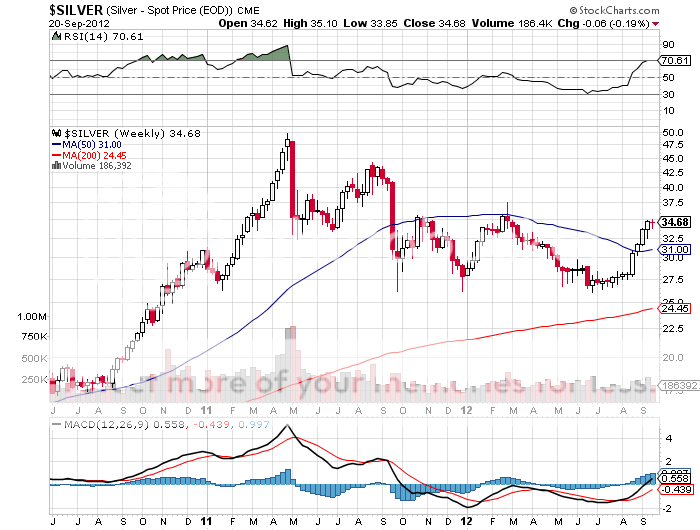
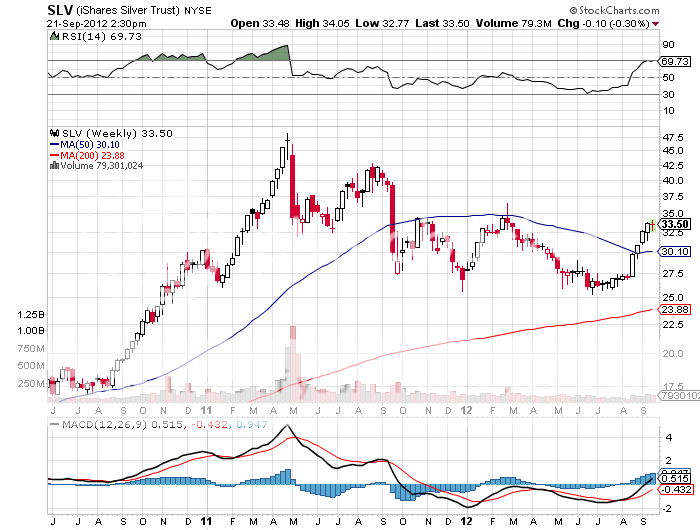
Those transfixed by gold blasting through the $1,750 level have been missing the real action in silver. The white metal has soared 34% to $34 since the beginning of the year, compared to only a 14% move for the barbaric relic, an outperformance of 2.4 to one. I have been a raging bull on the precious metals space since early August. Silver gives you additional diversification into the space with that extra bit of spice on the volatility side.
It is nothing less than owning gold with a turbocharger. Silver gives you a nice double play. Its qualities as a precious metal are giving it a major boost from the flight from the dollar, a certainty since Ben Bernanke proclaimed QE3.? It is also an industrial commodity, which unlike gold, is consumed, and therefore gives you a call on the recovering economy. Most of the silver mined in history has been burned, used in chemical processes, is sitting at the dump, or in people?s teeth in graveyards around the world.
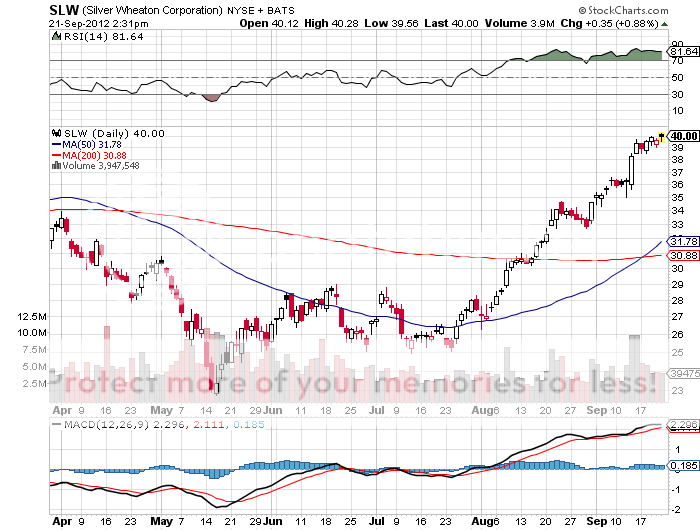
If you don?t think this move is real, check out the shares of the silver producers. Coeur D Alene Mines (CDE) has rocketed by a gob smacking 92% in less than three months, while Silver Wheaton (SLW), and Hecla Mining (HL) have also done almost as well.
Until the shock value of the magnitude of this QE3 are fully digested by the market, the white metal should continue to appreciate. Should the ?RISK ON? move continue, $40 an ounce is on the table by early next year.
Players here should entertain calls or call spreads on the silver ETF (SLV). Those who like to live life dangerously can look at the triple leveraged long silver ETF (AGQ). If you are in the futures market, you trade a 5,000 ounce contract on the COMEX, which offers 8.8 times leverage on an initial maintenance requirement of $18,900.